
Wood Protection That Handles Michigan Winters
Wooden Fence Staining in Holt for fences weathered by freeze-thaw cycles and UV exposure
Freeze-thaw cycles in Michigan break down unprotected wood faster than almost any other climate condition, forcing moisture into the grain during winter and splitting fibers as temperatures swing. Knapp's Power Wash Services LLC strips existing stain and applies fresh coatings that penetrate deep enough to resist the moisture expansion that cracks untreated fences after just one winter season. This service matters most for property owners who notice graying wood, peeling stain, or surface roughness that splinters when touched.
The process begins with surface preparation—either stripping old, failing stain from weathered fences or preparing raw wood on newly installed fencing. Fresh stain applied over compromised surfaces traps moisture underneath and peels within months, so proper surface preparation determines how long the finish lasts. Staining a brand new fence before the first winter season prevents the initial water absorption that begins the decay process in untreated cedar, pine, and pressure-treated lumber.
Schedule a property evaluation to assess your fence's current condition and determine whether stripping or direct application is needed.
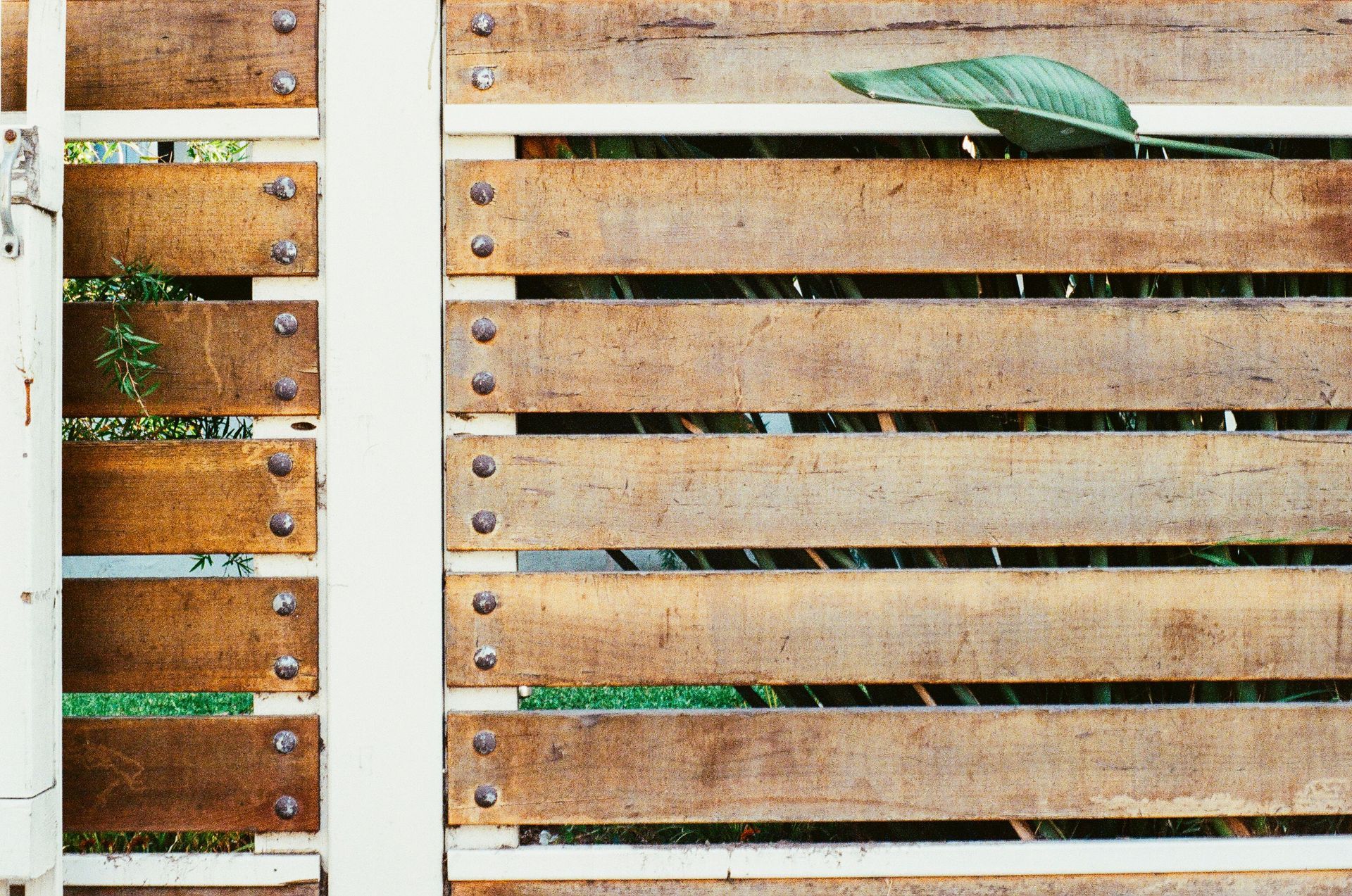
What Proper Staining Requires
Effective fence staining depends on matching the stain type to the wood's age and exposure level. New fences require penetrating stains that soak into open grain before the wood begins to weather, while older fences need stripping to remove surface degradation and UV-damaged fibers that prevent absorption. The stain must reach the cellular structure of the wood to bond properly, not just coat the surface like paint.
After the work is complete, you'll notice the wood's natural grain shows through clearly without the chalky gray oxidation that signals UV damage. Water beads on the surface during rain instead of soaking in immediately, and the fence no longer feels rough or fibrous when you run your hand along the rails. The color remains consistent across all boards rather than showing the uneven fading that happens when stain wears off in patches.
Staining protects against more than just appearance issues—it slows the moisture cycling that loosens fasteners, warps boards, and creates the conditions for rot in ground-contact posts. Untreated fences in Michigan typically show structural problems within three to five years, while properly stained wood maintains integrity for significantly longer before needing board replacement.
Questions Before Starting Your Project
Property owners in Holt often ask about timing and preparation before scheduling fence staining work.
What happens during the stripping process for an older fence?
Existing stain is removed down to bare wood using techniques that clear away failed coating and weathered surface fibers without damaging the underlying grain structure, creating a clean surface for the new stain to penetrate.
How soon should a new fence be stained?
New wood should be stained within the first few months after installation, before UV exposure begins breaking down lignin in the surface fibers and before the first freeze-thaw cycle forces moisture deep into unprotected grain.
Why does stain peel off some fences but not others?
Peeling happens when stain is applied over moisture, dirt, or degraded wood that prevents proper absorption, or when the wrong product type is used for the wood's condition and exposure level.
What weather conditions are required for staining?
The wood must be dry, and temperatures need to stay above freezing for at least 24 hours after application so the stain can cure properly without moisture interference.
How does Michigan weather affect how long stain lasts?
Freeze-thaw cycles, high summer humidity, and UV exposure from long daylight hours during summer all accelerate stain breakdown, which is why surface preparation and stain penetration depth matter more here than in milder climates.
Knapp's Power Wash Services LLC handles both stripping and staining to restore weathered fences or protect new installations before Michigan winters begin the damage cycle. Request an on-site consultation to review your fence's wood type and current surface condition.